
Salt keeps parking lots, sidewalks, and roads safe in the winter. However, applying too much wastes money, corrodes infrastructure, and pollutes waterways. This blog shares common mistakes that lead to salt waste and simple ways winter professionals can avoid them for more effective operations.
1. Skipping Calibration
Why it wastes salt:
If you’re not calibrating equipment, you can’t know exactly how much material you are applying—and not knowing often leads to overapplication. Accurate calibration is the best way to be confident in your application rates and avoid salt waste. When you control what comes out of the back of the truck, you control how much material you are saving or wasting.
How to avoid it:
- Learn how to calibrate your equipment by attending trainings and reviewing manufacturer guides. Salt Smart also has calibration resources, like demonstration videos, on their website.
- Calibrate all equipment before each season, after repairs, and when switching to a new material.
- Fill out calibration charts and mark on the equipment or keep a chart with the equipment which settings match up to your application rates.
2. Not Incorporating Liquids
Why it wastes salt:
Dry rock salt tends to bounce off surfaces or can be plowed off before it has a chance to start melting ice. Dry rock salt also takes longer to start working since it first must absorb moisture from the air. Liquids, on the other hand, stick to surfaces and start working immediately.
How to avoid it:
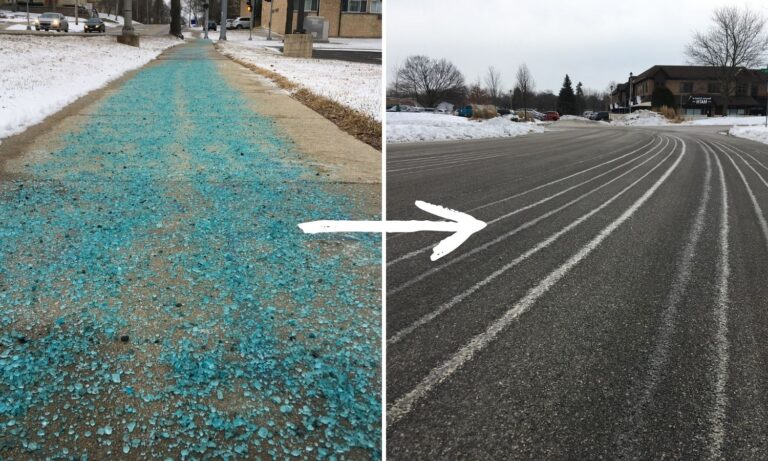
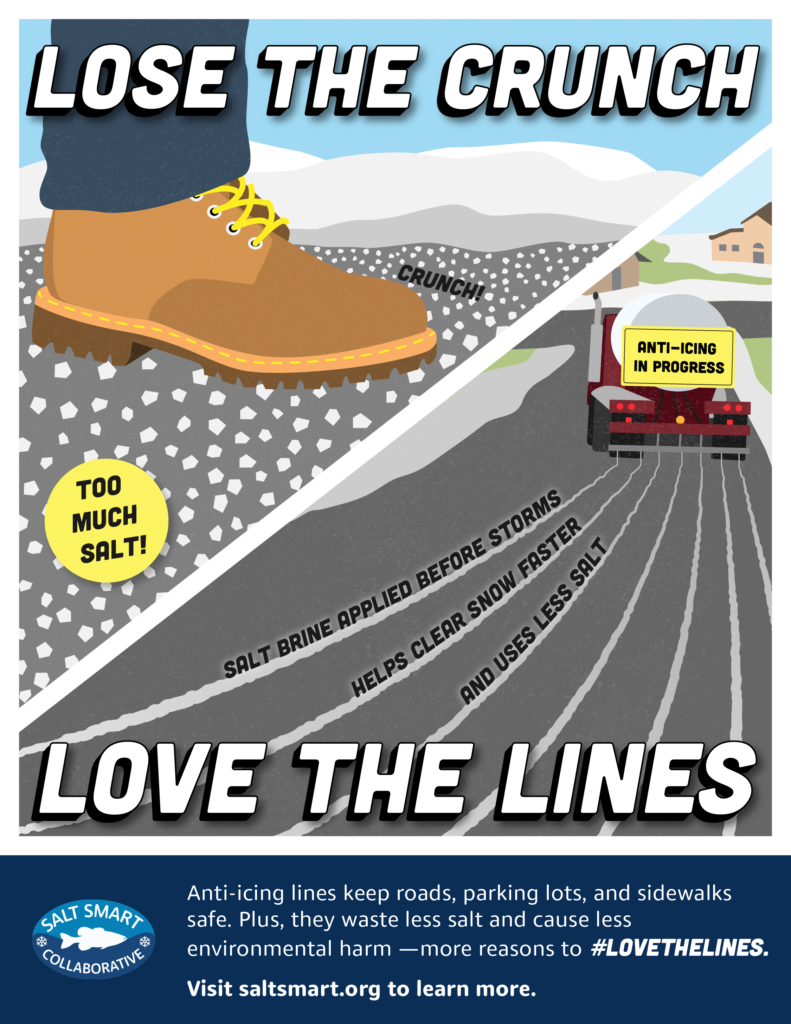
- Anti-icing, applying liquid deicing solution to the pavement ahead of a forecasted storm, prevents snow and ice from bonding to the pavement. This allows for more efficient mechanical clearing and offers impressive salt reduction for how much deicing is needed to create safe surfaces. Compared to dry rock salt, anti-icing requires only 25% of the material and 10% of the overall cost of deicing.
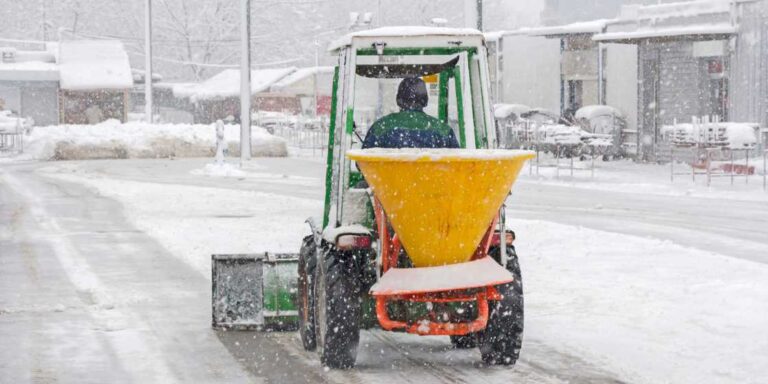
- Pretreating or pre-wetting dry materials with a liquid, like salt brine, can reduce bounce and scatter to keep more deicer on the pavement to start melting snow and ice.
- Since liquids start working immediately, applying liquids during or after a storm can be a great way to save on materials and still meet service standards. By adding liquids to their deicing operations some agencies have seen 25-50% savings on materials alone.

3. Improper Salt Storage
Why it wastes salt:
When salt piles are left uncovered or uncontained, wind, rain, and snowmelt can wash valuable deicing materials into nearby storm drains, waterways, and soil. That’s money literally washing away. At the same time, this runoff corrodes infrastructure and pollutes local streams. Smart storage protects your bottom line and the environment.
How to avoid it:
- Contain and cover salt piles to limit runoff. Keep salt piles covered when not actively in use.
- Place salt piles on impervious surfaces.
- Store bagged materials indoors or under cover.
- Regularly inspect storage structures for breaks, tears, or leaks.
- If storing salt on site for faster service, remove the salt pile in the spring before spring rains have a chance to wash it away.


4. Not Considering Pavement Temperature
Why it wastes salt:
Relying on air temperature alone can misinform your choice of material and application rate. Air temperature doesn’t always reflect road surface conditions. For example, if the air temperature is below freezing but the pavement temperature is rising above 32°F, applying salt based on the air temperature alone will likely result in wasted salt.
Taking into account pavement temperature helps you choose the most effective application rate and material, ultimately resulting in less material waste.
How to avoid it:
- Subscribe to weather forecasting that provides pavement temperature forecasting.
- Monitor rising and falling pavement temperatures. Pavement temperatures that are expected to drop over the course of the storm require special consideration.
- Use handheld or truck-mounted infrared thermometers to spot check pavement temperatures.
5. Poor Communication with Stakeholders
Why it wastes salt:
Unfortunately, many people still expect to see a layer of crunchy salt on surfaces following every winter storm. Property managers or residents may pressure crews to over-apply rock salt even when it is wasteful or ineffective. Without clear communication and education, using new techniques may cause misunderstandings and complaints.
How to avoid it:
- Educate stakeholders on why Salt Smart techniques are the best practices in winter operations. Emphasize that safety is the top priority and that these practices improve safety standards when used correctly.
- Share your Snow and Ice Plan before each winter to set expectations ahead of the first storm.
- Use newsletters, social media posts, and signage to keep stakeholders informed throughout the season.
Training Your Crew on Salt Smart Best Practices
Investing in training for your team reduces waste and improves safety. This information and more are covered in Salt Smart Collaborative’s Winter Best Practices Workshops for roads as well as parking lots and sidewalks. Workshops are offered in-person and virtually each fall. Salt Smart’s website also offers additional resources for winter professionals.
Salt is an important tool, but it should be used wisely. These five mistakes are common ways salt is overused, but they are also easy to correct with proper training, planning, and communication. By following Salt Smart best practices, winter professionals can waste less salt, save money, protect the environment, and improve safety.